As the world faces rising energy demands, climate change, and increasing electricity costs, solar power has emerged as one of the most reliable and sustainable energy solutions. Harnessing energy from the sun not only reduces dependence on fossil fuels but also creates long-term economic and environmental benefits.
Here’s a closer look at why solar power plays a crucial role in building a sustainable future.
1. Clean and Renewable Energy Source
Solar energy is completely renewable. Unlike coal, oil, or natural gas, the sun provides an unlimited supply of energy. Solar panels convert sunlight into electricity without emitting harmful greenhouse gases, making it one of the cleanest energy sources available.
By switching to solar power, households and businesses significantly reduce their carbon footprint and contribute to a healthier planet.
2. Reduces Electricity Bills
One of the most immediate benefits of solar power is cost savings. Installing a solar system allows you to generate your own electricity, reducing reliance on the grid.
Over time, the savings on electricity bills can offset the initial installation cost. In many regions, net metering policies allow excess electricity to be sent back to the grid, further increasing financial returns.
3. Low Maintenance and Long Lifespan
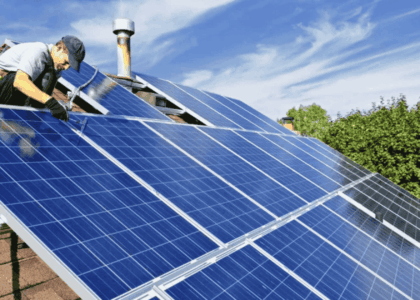
Solar panels are durable and designed to withstand various weather conditions. With minimal maintenance—such as occasional cleaning and periodic inspections—solar systems can last 25 years or more.
This makes solar power a reliable long-term investment for homeowners and businesses alike.
4. Energy Independence
Solar power enables individuals, businesses, and even entire communities to reduce dependence on centralized power grids and imported fuels.
By generating electricity locally, regions can enhance energy security and protect themselves from fluctuating fuel prices and power shortages.
5. Environmentally Friendly
Traditional energy sources release pollutants that harm air, water, and soil. Solar power generates electricity without noise pollution, air pollution, or water contamination.
Choosing solar energy supports global efforts to combat climate change and preserve natural ecosystems for future generations.
6. Increases Property Value
Homes and commercial properties equipped with solar power systems often experience higher property values. Buyers recognize the long-term savings and sustainability benefits, making solar-equipped properties more attractive in the real estate market.
7. Job Creation and Economic Growth
The solar industry is one of the fastest-growing sectors worldwide. Expanding solar adoption creates jobs in manufacturing, installation, maintenance, and sales.
Investing in solar energy not only benefits individuals but also contributes to national economic growth and innovation.
8. Scalable and Versatile
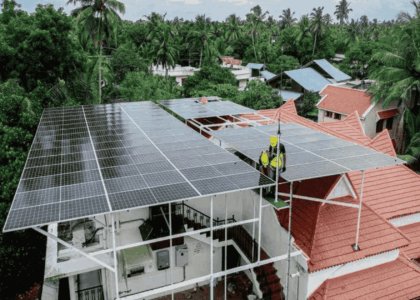
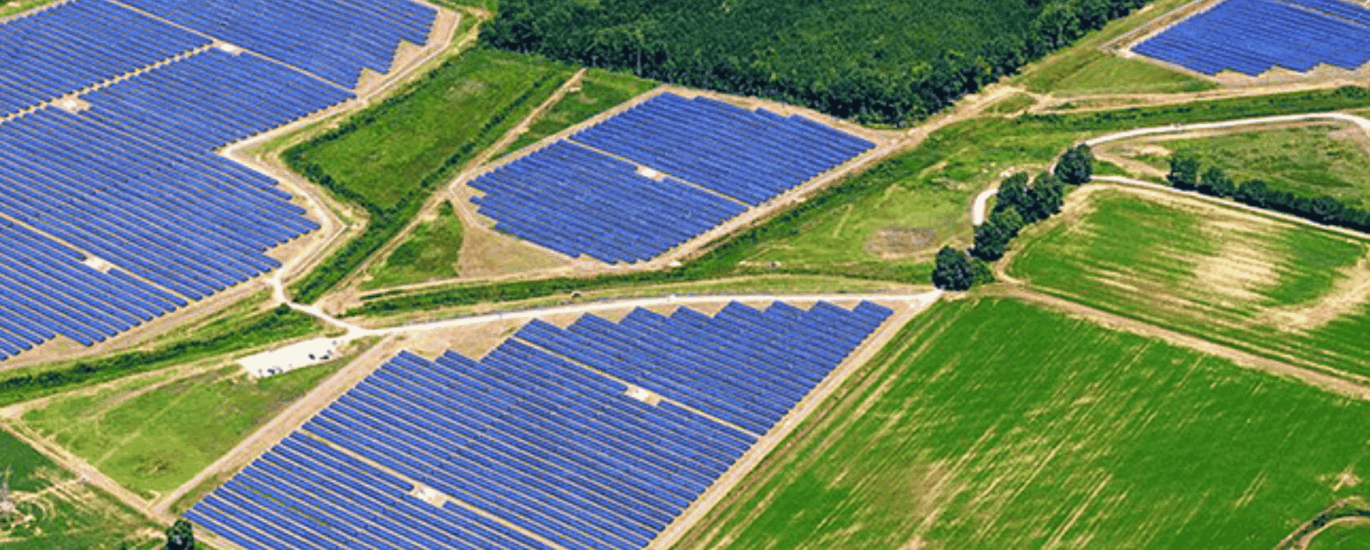
Solar power systems are highly scalable. They can be installed on small residential rooftops or developed into large solar farms powering entire communities.
Additionally, solar solutions can be integrated into remote areas where grid connectivity is limited, providing access to reliable electricity.
Building a Sustainable Future with Solar Energy
Transitioning to solar power is more than just a financial decision—it is a commitment to sustainability. By embracing clean energy solutions today, we can reduce environmental impact, strengthen energy security, and create a more resilient future.